
iPhone Duo has launched!Where does the growth potential lie in China’s eSIM market?
Hot Topic
On October 23, Apple’s first foldable smartphone, the iPhone Duo, officially went on sale. With a starting price of 15,999 yuan for the mainland China version, it has become the most expensive iPhone in history.
Although its market price fell below the official retail price less than three days after launch—and it has faced widespread online criticism over issues such as cracked hinges and screens, as well as black bars appearing around apps on the large display—the device remains extremely difficult to purchase through Apple’s official website.
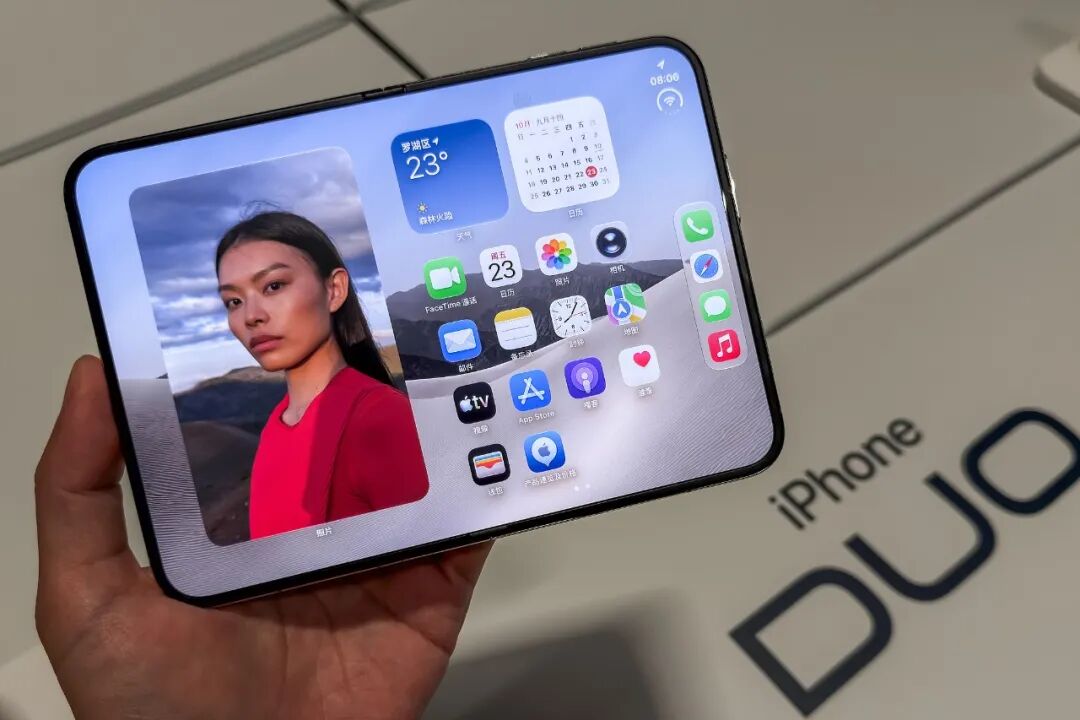
More significant to the industry than the controversies surrounding the product itself is the fact that the iPhone Duo adopts an all-eSIM approach, eliminating the physical SIM card slot globally.
A year ago, when the iPhone Air—which also relied exclusively on eSIM—was first released, many potential users were deterred by the requirement to visit a physical carrier store to set up their eSIM.
Things are different this time, however; a year later, the barriers to setting up an eSIM are visibly lowering.
China’s eSIM Market: Moving from Trial Commercialization to Accelerated Adoption
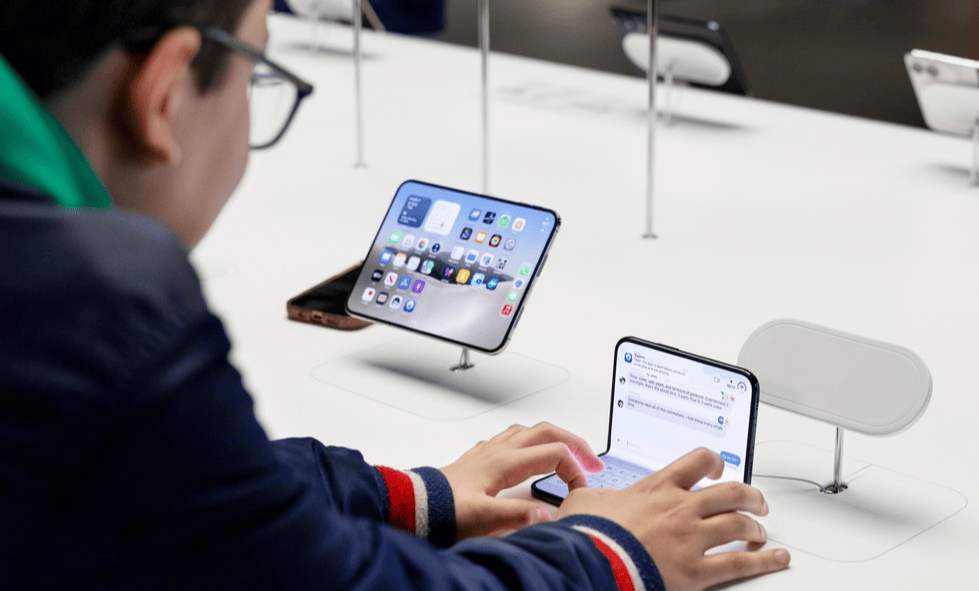
According to media reports, on the day the iPhone Duo went on sale, Apple arranged for staff from China Mobile, China Unicom, and China Telecom to be present at all its Apple Store locations across the country. Customers picking up their devices in-store could complete the eSIM activation process right there—a procedure taking only about three minutes from start to finish.
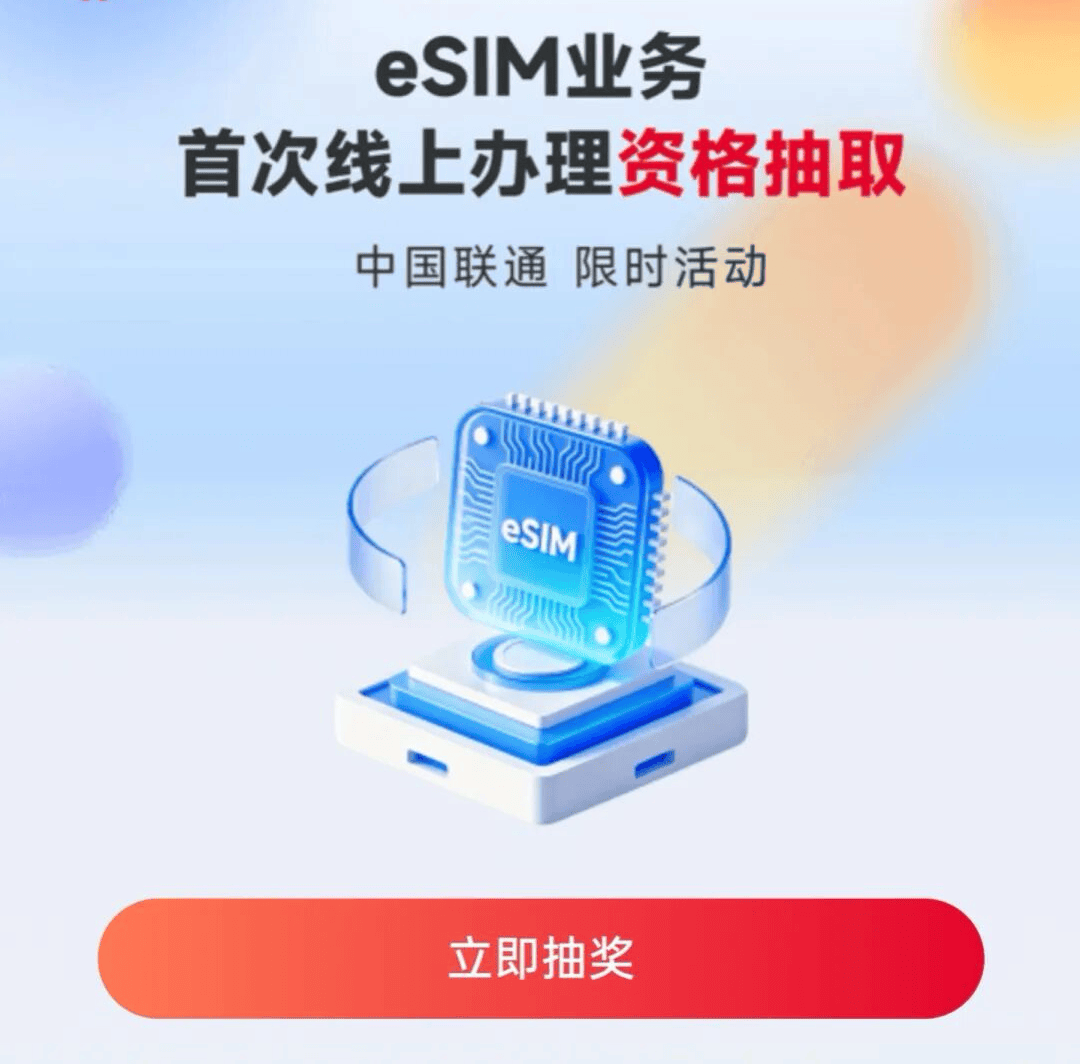
Meanwhile, domestic carriers are continuing to ramp up their deployment of eSIM services. China Unicom has taken the lead by launching a pilot program for online eSIM activation, recently introducing a limited-time event where users can enter a draw for the eligibility to set up their eSIM entirely online—eliminating the need for a visit to a physical retail store.
China Telecom has introduced an "eSIM Device Linkage Inquiry" feature in its app, allowing users to check the number of accounts linked to their eSIM-enabled devices with a single tap. China Mobile has also indicated that, in the future, users will be able to manage eSIM services independently via its app.
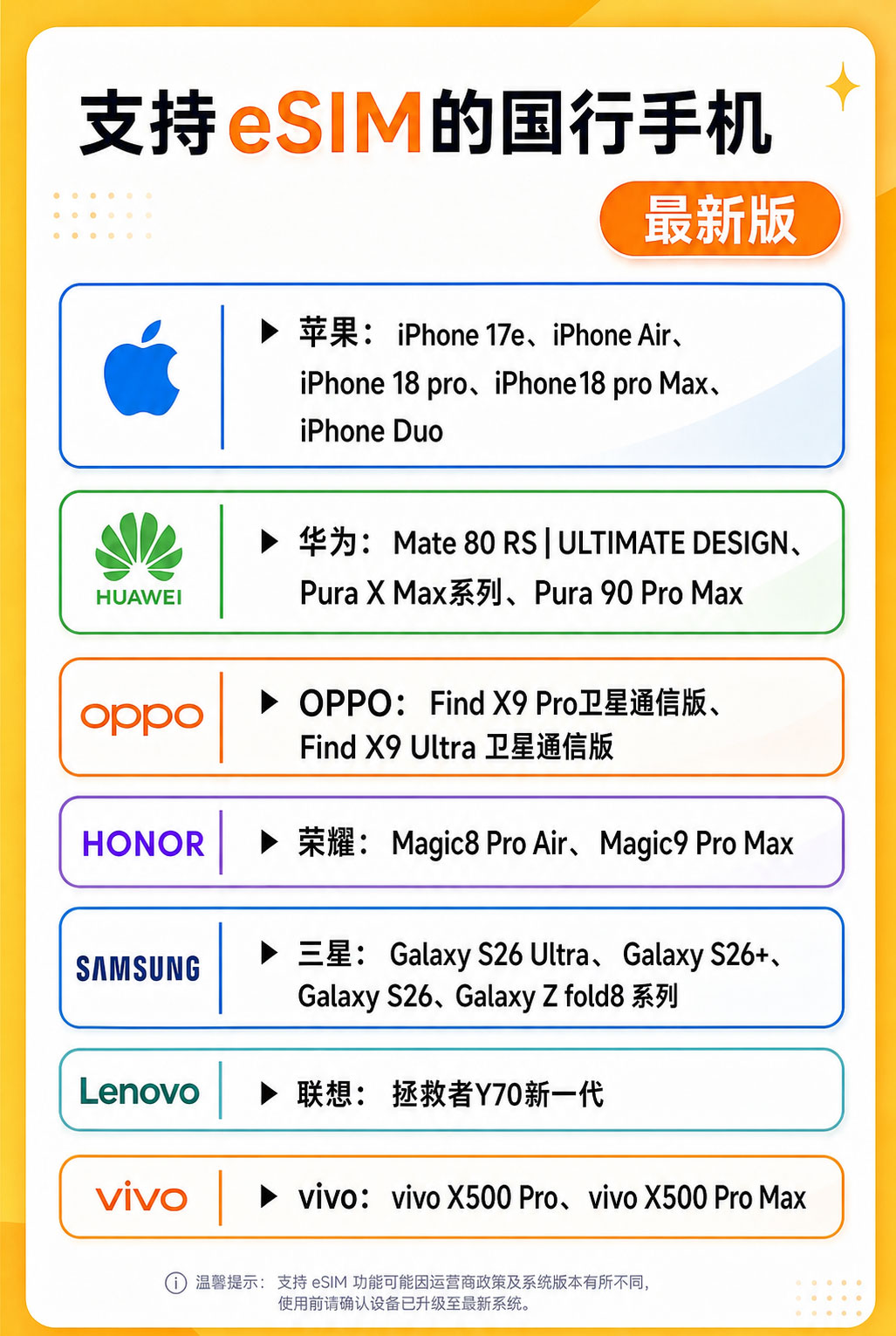
Regarding mobile hardware, as of October 2026, eSIM-supported smartphones available in the Chinese market include models from seven major brands: Apple, Huawei, OPPO, Honor, Samsung, Lenovo, and vivo. In just one year, the number of eSIM-compatible smartphone models in China has increased several-fold.
Global eSIM Market: Travel eSIM Poised to Drive New Growth
As the adoption of eSIM technology accelerates domestically, the global market has entered a phase of rapid expansion. According to the "Research Report on eSIM Industry Development (2026)" by the CAICT, the cumulative number of global eSIM connections surpassed 1.3 billion by the first quarter of 2026, with the number of domestic eSIM users exceeding 20 million.
Notably, the report highlights that the global travel-focused eSIM market—valued at $585 million in 2025—is projected to grow to $1.851 billion by 2032, representing a compound annual growth rate (CAGR) of 17.87%. The report suggests that travel eSIM services are set to become a significant new source of growth for telecommunications operators.
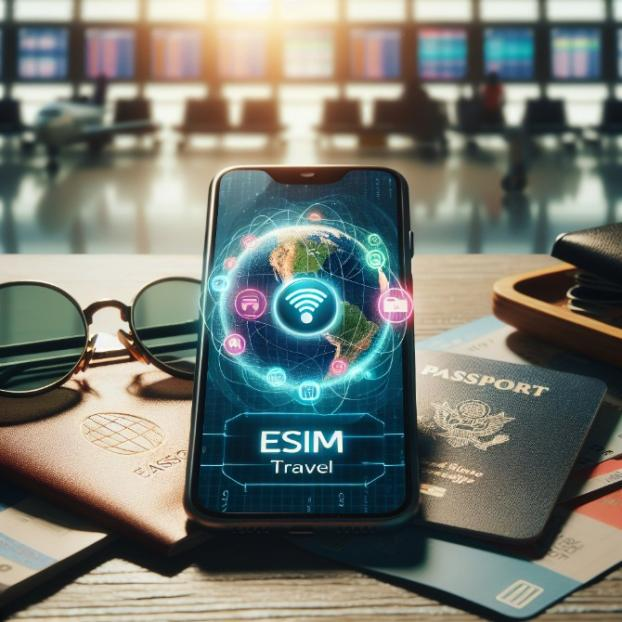
This rapid growth is driven by the unique advantages of eSIM for cross-border connectivity. With no need to purchase or insert a physical SIM card—users can simply buy and start using the service immediately, without the hassle of swapping cards or waiting in line—eSIM effectively fills a gap in the market that neither traditional roaming nor local SIM cards have adequately addressed.
For businesses operating in the cross-border sector—such as international travel agencies and ticket agents with access to outbound travelers—this presents an ideal, low-barrier entry opportunity.
Talk2all eSIM—Making Cross-Border Internet Access Simple
Talk2all eSIM offers coverage in over 200 countries and regions. Through deep partnerships with more than 50 global carriers, it has provided convenient, stable, and cost-effective cross-border internet access to over 40 million international travelers.
Talk2all is now recruiting partners nationwide, offering a comprehensive support system for every partner:
●Zero Inventory, Zero Franchise Fees: eSIMs require no physical cards, eliminating inventory and logistics burdens and allowing for a low-overhead launch.
●Smart Management Dashboard: Gain access to a dedicated dashboard upon signing up, enabling real-time monitoring of card balances and data usage, one-click top-ups, and automated reconciliation.
●Customization Capabilities: Support for custom SIM profiles, tailored data plans, and API integration to help you build your own brand.
●Recurring Revenue: Earn a share of revenue from both initial customer purchases and subsequent top-ups.
From lowered entry barriers set by carriers to the continuous innovation from smartphone manufacturers, eSIM is evolving from a "niche, early-adopter feature" into a "standard, essential capability." The gap in cross-border mobile connectivity is now waiting for more service providers to step in and fill it.